


We take our role in your health very seriously. Come in today to see how we can help.


Staying informed is also a great way to stay healthy. Keep up-to-date with all the latest health news here.
28 Aug
Inhaler Overuse Linked to Heart Risks in Asthma and COPD Patients
Researchers found frequent use of rescue inhalers was associated with a higher risk of cardiovascular disease and death in people with asthma or COPD.
27 Aug
Are Scented Cleaners Creating Indoor Air Pollution?
A new study finds fragrances in both conventional and botanical cleaning products can react with ozone in indoor air, quickly forming millions of nanoparticles that can travel deep into the lungs if inhaled.
25 Aug
Chemotherapy-Free Treatment Shows Promise for Some Metastatic Breast Cancer Patients
In a small new study, a chemo-free regimen of four targeted therapies benefited 97% of women with HR-positive, HER2-positive metastatic breast cancer.

Warnings About Cancer-Alcohol Link Can Be Made Stronger, Researchers Say
Warnings about the link between alcohol and cancer are more powerful if the messages are shaped in certain ways, a new study says.
Naming specific cancers linked to drinking and showing AI-generated images of the health consequences boosts response to the warnings, researchers report in the journal Cancer.
Alcohol is classif...
- Dennis Thompson HealthDay Reporter
- |
- August 31, 2026
- |
- Full Page

Social Media Increases Risk Of Depression, Study Says
Adults who spend hours scrolling social media every day are more likely to develop depression, a new study says.
Around 2.5 hours or more of scrolling per day is linked to self-reported depression, researchers recently reported in the journal npj Mental Health Research.
The study found that social media is more closely linke...
- Dennis Thompson HealthDay Reporter
- |
- August 31, 2026
- |
- Full Page
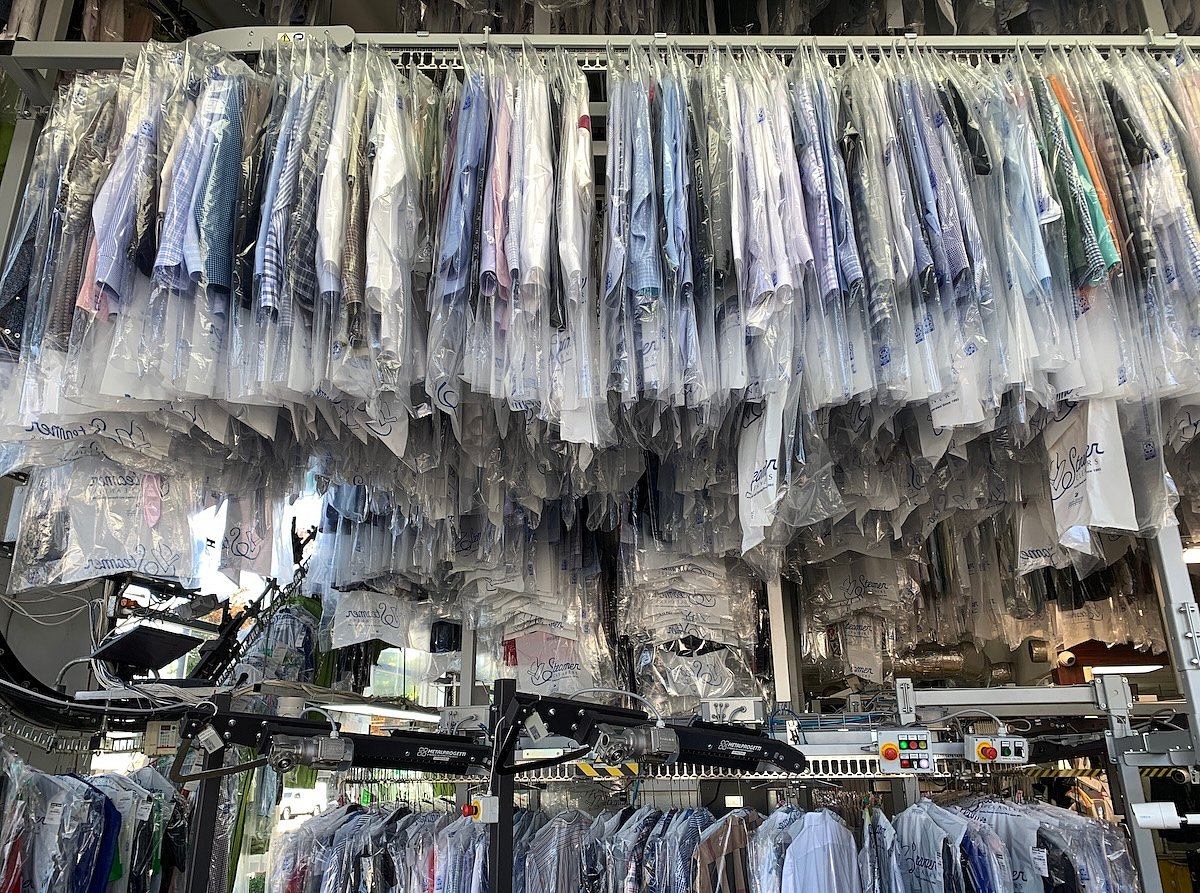
Live Near A Dry Cleaner? You Might Have A Higher Risk For This Devastating Neurological Condition
People living near dry cleaners might have a higher risk of Parkinson’s disease, a new study says.
People living within approximately 500 feet of a dry cleaner had a 14% greater risk of Parkinson’s compared to those living four to five miles away, researchers report in the journal npj Parkinson’s Disease.
R...
- Dennis Thompson HealthDay Reporter
- |
- August 31, 2026
- |
- Full Page

FDA Authorizes First Wearable To Track Both Ketones And Blood Sugar
People with diabetes can now get an early warning when a dangerous complication starts to build in their bodies.
The U.S. Food and Drug Administration (FDA) on Tuesday authorized the first wearable sensor that continuously tracks ketones — chemicals the body makes when it burns fat instead of sugar for fuel.
It is also th...
- Ellyn Vohnoutka HealthDay Reporter
- |
- August 28, 2026
- |
- Full Page

Inhaler Overuse Linked To Heart Risks In Asthma And COPD Patients
For people with asthma or COPD, reaching for a rescue inhaler too often may be a warning sign — not just for their lungs, but for their heart.
It's estimated nearly 1 in 5 asthma patients and 1 in 3 COPD patients overuse these products.
Researchers analyzed real-world health data from more than 280,000 asthma and COPD patients ...
- HealthDay Staff HealthDay Reporter
- |
- August 28, 2026
- |
- Full Page

Your Parents' Age Might Improve Your Health Outlook, Study Says
People whose parents have reached age 100 can expect to reap some health benefits from their folks’ longevity, a new study says.
They tend to live longer and have substantially lower risks of heart disease and high blood pressure, researchers reported Aug. 26 in JAMA Network Open.
“This study provides strong evid...
- Dennis Thompson HealthDay Reporter
- |
- August 28, 2026
- |
- Full Page


